


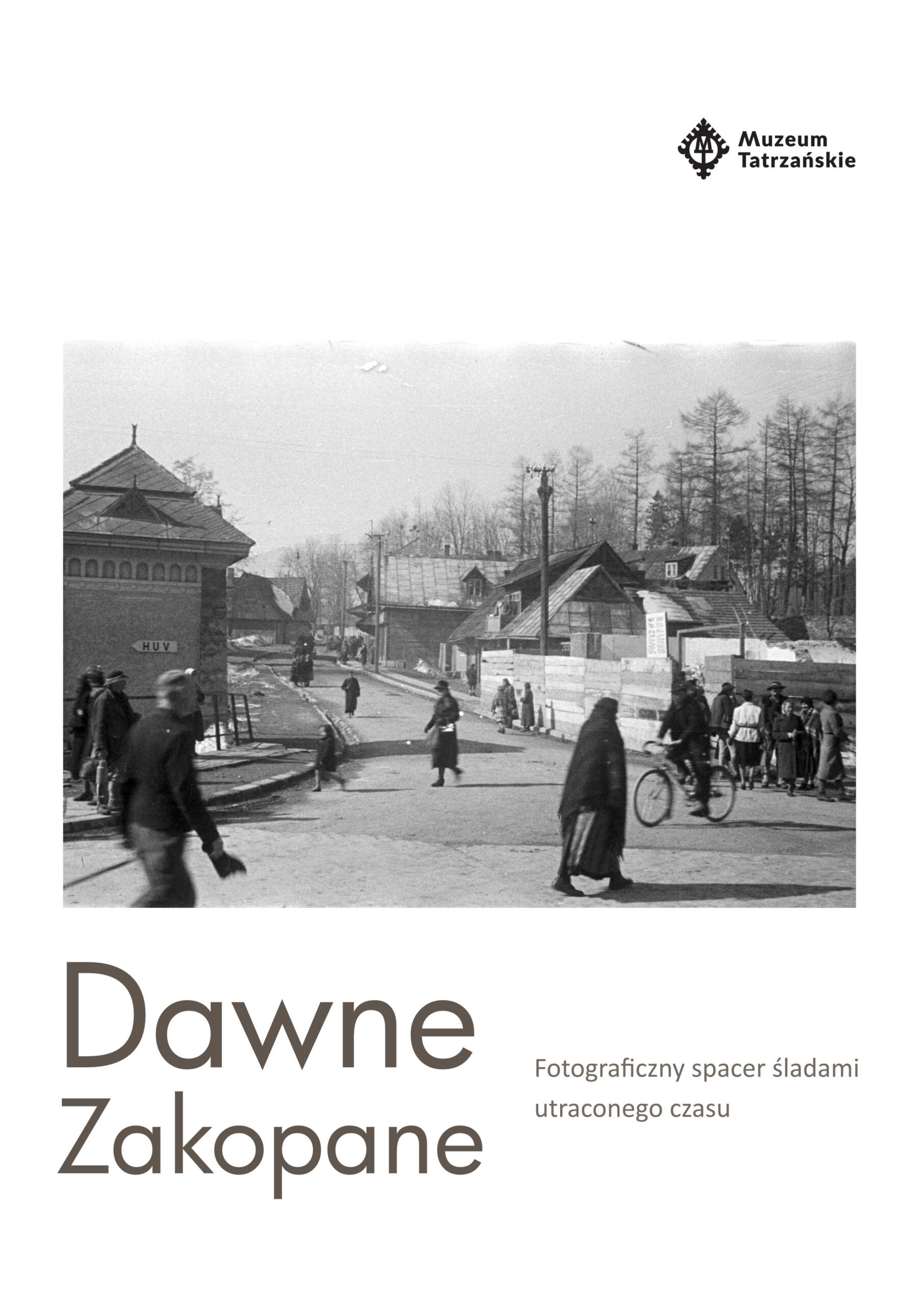
Dawne Zakopane
Fotograficzny spacer śladami utraconego czasu
Wystarczył dzień, by tętniący życiem górski kurort znalazł się w wojennej rzeczywistości. W kolejnych latach zmieniało się przeznaczenie budynków, ulice stawały się trasami wojskowych defilad, a przestrzeń publiczna podporządkowywana była okupacyjnej administracji. Te dramatyczne przemiany dokumentują archiwalne zdjęcia, z których wiele wykonali zawodowi fotografowie.
W ujęciach Zakopanego, traktowanych jak źródła historyczne, liczy się każdy detal. Szyld sklepu, witryna, element architektury czy ubiór przechodniów mogą powiedzieć wiele o codziennym życiu mieszkańców. To właśnie z takich szczegółów wyłania się obraz świata, który bezpowrotnie przeminął.
Wystawa zaprasza na fotograficzne spacery po kolejnych ulicach miasta, takich jak Kościuszki, Kościeliska czy Nowotarska. Zdjęcia będą sukcesywnie zmieniane, odsłaniając kolejne fragmenty dawnego Zakopanego.
Prezentowane materiały pochodzą ze zbiorów Muzeum Tatrzańskiego im. Dra Tytusa Chałubińskiego w Zakopanem. Stanowią część dokumentacji zgromadzonej przez pracowników Urzędu ds. Budownictwa (tzw. Bauamt) w okresie okupacji niemieckiej, w latach 1940–1944.
Zakopane of Yesteryear
A Photographic Walk in the Footsteps of Lost Time
It took just one day for the bustling mountain resort to be plunged into the reality of war. In the years that followed, the purpose of the buildings changed, the streets became routes for military parades, and public spaces came under the control of the occupying administration. These dramatic changes have been captured in archive photographs, many of which were taken by professional photographers.
In these photographs of Zakopane, which are treated as historical sources, every detail counts. A shop sign, a shop window, an architectural feature or the clothing of passers-by can reveal a great deal about the everyday lives of the local people. It is these details that paint a picture of a world that has vanished forever.
The exhibition invites visitors to go on a photographic journey through the town’s streets, such as Kościuszki, Kościeliska and Nowotarska. The photographs will gradually change, revealing more glimpses of Zakopane as it once was.
The materials presented here come from the collections of the Dr Tytus Chałubiński Tatra Museum in Zakopane. They form part of the documentation compiled by staff at the Building Authority (the so-called Bauamt) during the German occupation, between 1940 and 1944.
Wystawę można oglądać od 12 listopada 2026 r. w Muzeum Palace, ul. Chałubińskiego 7.

Godziny otwarcia:
poniedziałek – wtorek: nieczynne
środa – niedziela: 10:00 – 18:00
Archiwum fotograficzne
archiwum fotograficzne jest nieczynne od 1.10 do 31.12
Cennik:
EKSPOZYCJA STAŁA I CZASOWA
bilet normalny 25 zł
bilet ulgowy 12 zł
EKSPOZYCJA STAŁA
bilet normalny 20 zł
bilet ulgowy 10 zł
EKSPOZYCJA CZASOWA
bilet normalny 12 zł
bilet ulgowy 6 zł
KARTA DUŻEJ RODZINY
bilet na wystawy dostępne w filii dla 1 osoby 6 zł
BILET TYGODNIOWY ŁĄCZONY DO WSZYSTKICH OTWARTYCH FILII
bilet normalny 69 zł
bilet ulgowy 34 zł
BILET GRUPOWY
min. 15 os., wszystkie wystawy dostępne w filii, na każde 15 os. 1 opiekun gratis
bilet za 1 os. 10 zł
OPROWADZANIE 80 zł
MIESZKAŃCY GMIN: Biały Dunajec, Bukowina Tatrzańska, Czarny Dunajec, Kościelisko, Nowy Targ, Miasto Nowy Targ, Miasto Zakopane, Poronin i Szaflary
bilet 1 zł
AUDIOPRZEWODNIK
wypożyczenie urządzenia 6zł
Dniem nieodpłatnego wstępu na wystawy stałe jest czwartek.